
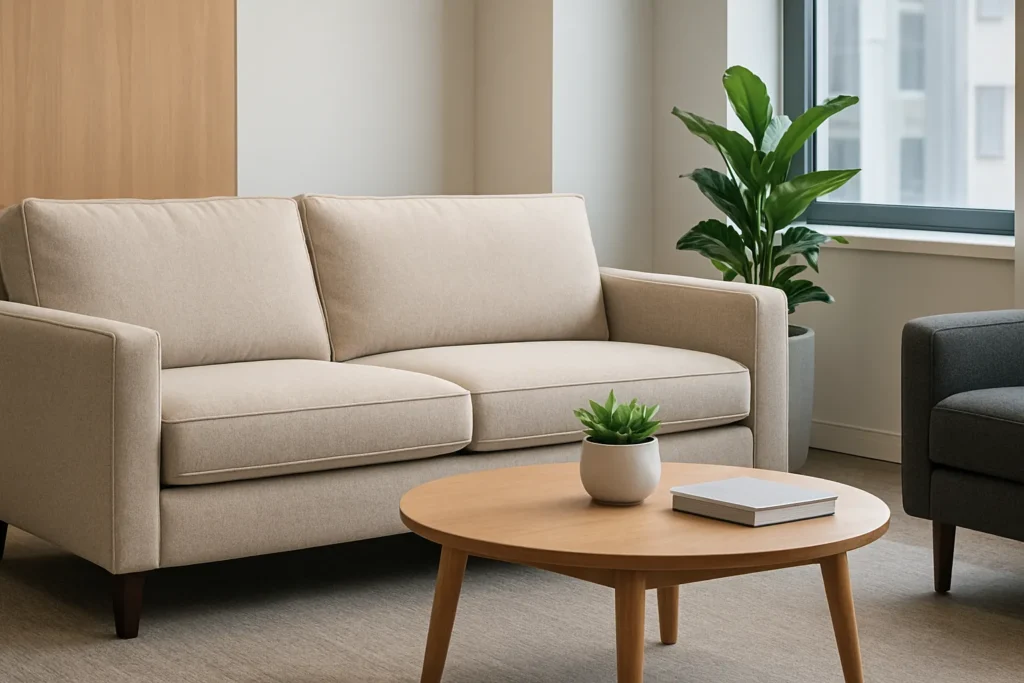
The Essential Guide to Maintaining Sofa Cushions in Commercial Spaces
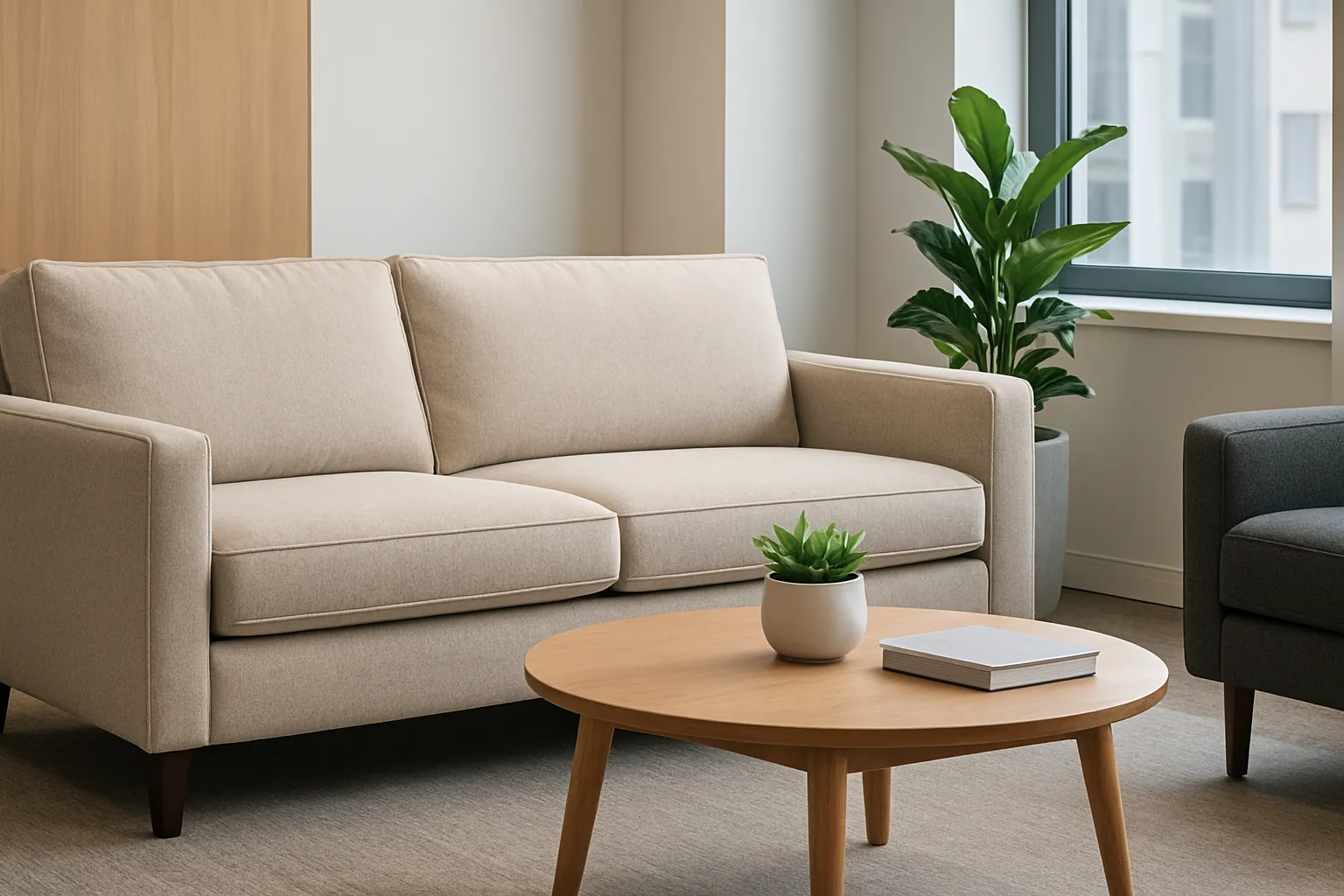
In a commercial environment, the quality and appearance of furniture play a vital role in creating a welcoming atmosphere for clients and customers. Among the various components of furniture, sofa cushions are particularly significant as they directly affect both comfort and aesthetics. Proper maintenance of these sofa cushions is not only essential for prolonging their lifespan but also for ensuring that they provide the necessary support and comfort. In this article, I will explore the importance of maintaining sofa cushions, common issues faced, and practical tips to keep them in excellent condition.
Understanding Sofa Cushion Specifications
To effectively maintain sofa cushions, it’s important to understand their specifications. The materials used in sofa cushions vary widely, each with its own durability and comfort characteristics. Common materials include leather, fabric, and synthetic blends. For instance, leather cushions are known for their durability and ease of cleaning, while fabric cushions can offer a wider variety of colors and textures but may require more maintenance.
In addition to material types, the fill options available for couch cushions significantly affect comfort levels. Foam cushions provide firm support and are often used in high-traffic areas, whereas down or feather cushions offer a softer, more luxurious feel. From my experience, understanding these specifications can guide businesses in selecting the right cushions and ensure they are equipped to maintain them effectively.
Use Cases for Commercial Sofa Cushions
Different commercial environments have unique requirements for sofa cushions. In the hospitality industry, for example, cushions must withstand frequent use and spills while maintaining an inviting appearance. Hotels often opt for high-quality, stain-resistant fabrics that can endure the wear and tear of daily use.
Conversely, office environments may prioritize comfort and ergonomics, as employees spend long hours seated. Cushions that provide adequate support while also complementing the office decor are essential. By understanding the specific use cases for sofa cushions, businesses can make informed choices that enhance both functionality and aesthetics.
Maintenance Tips for Prolonging Cushion Life
Prolonging the life of your sofa cushions requires a proactive maintenance approach. Regular cleaning is the first step; vacuuming cushions weekly can help remove dust and debris that accumulate over time. For fabric cushions, consider using a fabric cleaner that is safe for the specific material. Leather cushions should be wiped down with a damp cloth and treated with a leather conditioner to maintain their suppleness.
Proper storage methods are also vital, particularly for seasonal furniture. When not in use, store cushions in a cool, dry place to prevent mold and mildew. Additionally, regularly rotating and fluffing cushions can help maintain their shape and prevent uneven wear. By implementing these maintenance tips, businesses can ensure their sofa cushions remain in top condition for years to come.
Comparing Different Cushion Types
When choosing sofa cushions, it’s essential to compare different types based on their pros and cons. Foam cushions are known for their durability and resistance to sagging, making them ideal for high-traffic areas. However, they may lack the plush feel that some users prefer. On the other hand, down cushions provide unparalleled comfort and a luxurious appearance but require more maintenance to keep them looking their best.
Furthermore, the performance of synthetic versus natural materials is a critical consideration. Synthetic materials, such as polyester, are often more resistant to stains and fading, making them suitable for commercial settings. Conversely, natural materials like cotton or wool may offer better breathability and comfort but can be less durable. Understanding these differences helps businesses make informed choices that align with their specific needs.
Sourcing Quality Sofa Cushions
Sourcing high-quality sofa cushions is crucial for ensuring longevity and performance. When evaluating suppliers and manufacturers, look for those with a solid reputation for quality and service. Request samples to assess the materials and construction firsthand. Additionally, consider the importance of warranty and return policies; a good warranty can provide peace of mind and protection against manufacturing defects.
Establishing relationships with reliable suppliers can also lead to better pricing and access to the latest products. In my opinion, investing time in sourcing quality sofa cushions can enhance your furniture offerings and ensure customer satisfaction. For factory-direct options, consider exploring Factory-Direct Wholesale Sofa Cushions & Covers for B2B.
Implementation of Maintenance Protocols
To maintain the quality of sofa cushions effectively, implementing structured maintenance protocols is essential. Training staff on proper care techniques is a vital step in this process. Ensure that employees understand the specific cleaning methods and maintenance routines required for different cushion types.
Scheduling regular maintenance checks can also help identify potential issues before they escalate. This proactive approach not only extends the life of the cushions but also enhances the overall appearance of the furniture, contributing to a positive customer experience.
Frequently Asked Questions
How Often Should Cushions Be Replaced?
The lifespan of sofa cushions can vary based on usage and material. Generally, high-quality cushions can last anywhere from 5 to 10 years. However, if cushions show signs of sagging or loss of support, it may be time to consider replacement.
What to Do with Damaged Cushions?
For damaged cushions, first assess the extent of the damage. Minor issues, such as small tears, can often be repaired with fabric glue or patches. If the damage is more severe, consulting with a professional upholstery service may be necessary. In some cases, replacing the cushion may be the most practical solution.
In conclusion, maintaining the quality of your sofa cushions in a commercial setting is essential for ensuring comfort, aesthetics, and longevity. By understanding specifications, implementing maintenance protocols, and sourcing quality products, businesses can create inviting environments that enhance customer satisfaction and employee well-being. For further insights, refer to this industry reference on sofa cushions.