
The Importance of Non-Slip Backing for Sofa Cushions in High-Traffic Areas
Introduction
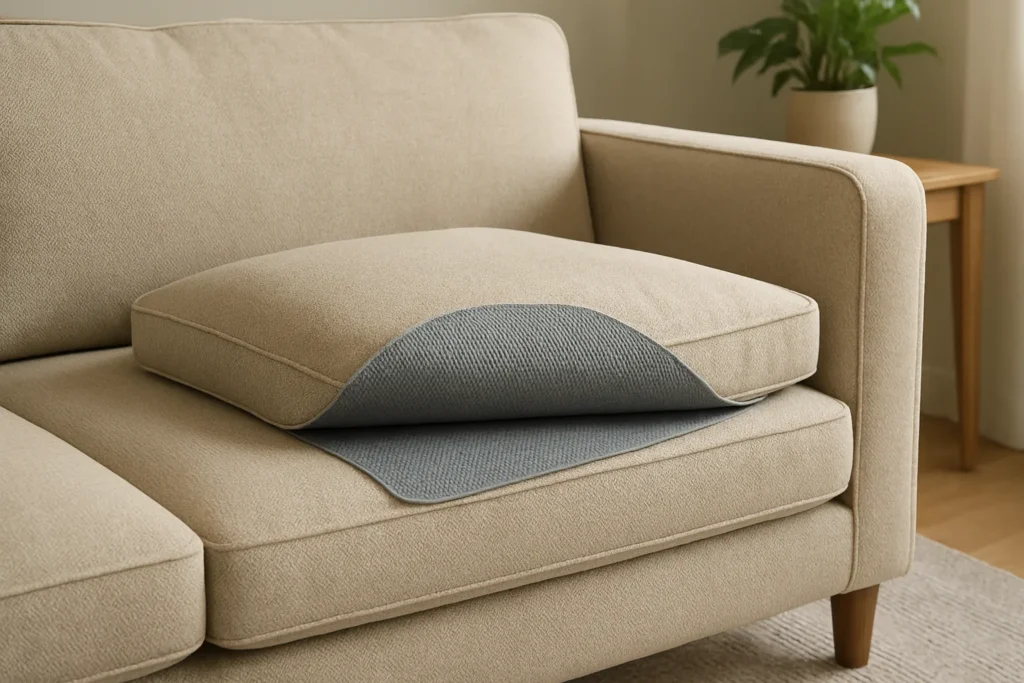
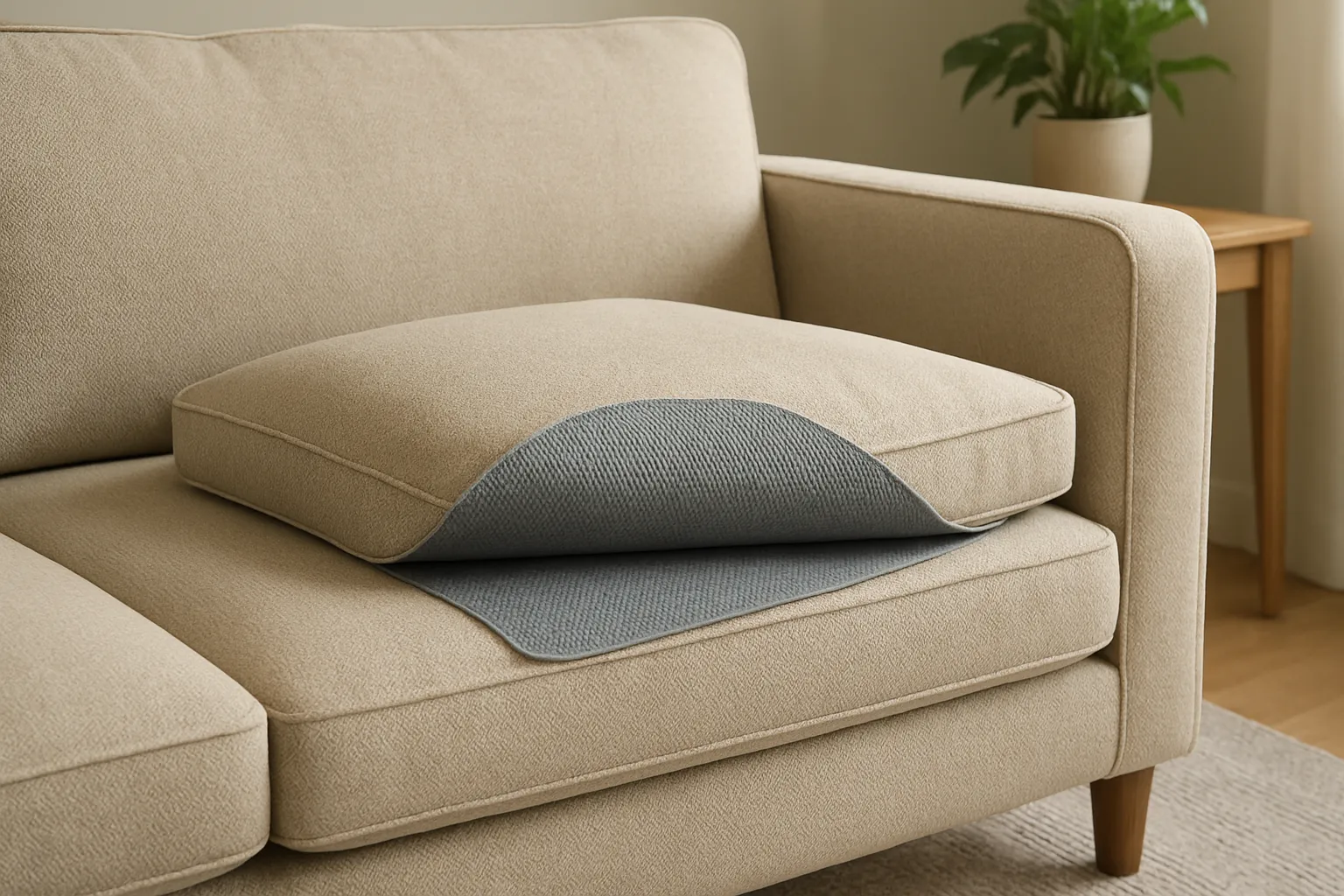
In the world of furniture design and functionality, non-slip backing for sofa cushions has become a crucial aspect, especially in high-traffic areas. Non-slip backing for sofa cushions ensures that sofa cushions remain securely in place during use, enhancing safety and comfort. This feature is particularly vital in environments where movement and activity are frequent, such as commercial spaces, busy households, and event venues. From my perspective, understanding the importance of non-slip backing not only enhances safety but also improves user experience and extends the lifespan of furniture.
Specifications of Non-Slip Backing
Material Types
Non-slip backing is available in a variety of materials, each offering distinct advantages. Common options include rubber, silicone, and specialized fabric blends. Rubber backing provides excellent grip and is often favored in commercial settings due to its durability. In my experience, silicone is lightweight and flexible, making it ideal for residential applications. Fabric blends may feature a textured surface that boosts friction without sacrificing comfort, which is essential for everyday use.
Thickness and Durability
The effectiveness of non-slip backing is influenced by its thickness and durability. Generally, thicker backing offers better grip, but it’s crucial to balance this with comfort to ensure sofa cushions remain pleasant to sit on. Durability is paramount, especially in high-traffic areas where cushions endure constant use. I believe businesses should seek non-slip backing that can withstand wear and tear while maintaining its functionality over time.
Safety Standards Compliance
Safety is a critical aspect when selecting non-slip backing. Many manufacturers adhere to industry safety standards, ensuring that their products are free from harmful chemicals and perform as advertised. Compliance with standards such as ASTM (American Society for Testing and Materials) or ISO (International Organization for Standardization) can offer peace of mind for businesses investing in these solutions. From what I have seen, this compliance is essential for maintaining a safe environment for users.
Use Cases for Non-Slip Backing
Commercial Environments
In commercial settings like offices, waiting rooms, and lounges, non-slip backing on sofa cushions is vital. It prevents cushions from sliding around, which can lead to accidents and discomfort for users. I’ve noticed that businesses can enhance their professional image by providing safe and comfortable seating options, ultimately improving customer satisfaction.
Residential High-Traffic Areas
In homes with children and pets, non-slip backing becomes a practical necessity. High-traffic areas like living rooms and family rooms often see frequent use. Non-slip backing ensures that cushions stay in place, reducing the risk of slips and falls. This feature allows families to enjoy their spaces without the constant need to readjust cushions, which can be a significant benefit for busy households.
Event Spaces and Hospitality
Event venues and hospitality businesses, such as hotels and restaurants, gain substantial advantages from non-slip backing. During events, guests often shift and adjust seating arrangements. Non-slip backing keeps cushions secure, contributing to a seamless guest experience. Moreover, maintaining a tidy appearance is crucial in hospitality, and non-slip backing helps cushions retain their intended position, which is essential for creating a welcoming environment.
Comparisons with Traditional Cushion Backing
Performance Differences
When comparing non-slip backing to traditional cushion backing, performance is a significant differentiator. Traditional backing often lacks the grip necessary to keep cushions in place, leading to frequent adjustments and potential safety hazards. Non-slip backing, on the other hand, provides superior performance by ensuring that cushions remain securely positioned, enhancing user comfort and safety.
Cost Analysis
While non-slip backing may have a higher initial cost compared to traditional options, the long-term benefits typically outweigh the investment. Businesses can save on replacement costs and maintenance due to the durability and effectiveness of non-slip solutions. Additionally, the enhanced user experience can lead to increased customer satisfaction and loyalty, further justifying the initial expenditure. In my opinion, this is a wise investment for any business.
Maintenance Requirements
Maintenance is another critical factor when comparing these two options. Non-slip backing generally requires less upkeep than traditional backing. Traditional cushions may need more frequent cleaning and adjustment, while non-slip options often remain in place, reducing the need for constant attention. This ease of maintenance can translate into lower operational costs for businesses, which is certainly a compelling advantage.
Sourcing Non-Slip Backing Solutions
Key Suppliers and Manufacturers
When sourcing non-slip backing solutions, it’s essential to partner with reputable suppliers and manufacturers. Companies specializing in upholstery and furniture solutions often provide high-quality non-slip backing products. Researching suppliers with a proven track record of delivering durable and effective solutions can ensure that businesses invest in reliable products.
Quality Assurance Practices
Quality assurance is crucial when selecting non-slip backing. Businesses should inquire about the manufacturing processes and quality control measures in place. Suppliers that adhere to strict quality assurance practices are more likely to deliver products that meet safety and performance standards, providing peace of mind for buyers. In my experience, this diligence pays off in the long run.
Customization Options
Customization is another aspect to consider when sourcing non-slip backing. Many manufacturers offer tailored solutions to meet specific business needs, including size, thickness, and material type. Customization can be particularly beneficial for businesses with unique furniture designs or specific performance requirements, ensuring that the non-slip backing aligns perfectly with their goals.
Implementation Strategies
Installation Techniques
Proper installation of non-slip backing is vital to its effectiveness. Businesses should follow manufacturer guidelines for installation, ensuring that the backing adheres securely to the cushions. This may involve using adhesives or simply positioning the backing correctly, depending on the product specifications. I’ve found that adhering strictly to these guidelines makes a noticeable difference in performance.
Best Practices for Longevity
To maximize the lifespan of non-slip backing, businesses should implement best practices. Regularly inspecting the condition of the backing and cushions can help identify wear and tear early. Additionally, avoiding exposure to excessive moisture or direct sunlight can prolong the effectiveness of the backing, which is something I recommend based on past experiences.
Maintenance Tips
Maintaining non-slip backing is relatively straightforward. Businesses should clean the cushions regularly, following manufacturer recommendations for cleaning products. Keeping the area around the sofa free from debris can also enhance the performance of the non-slip backing, ensuring that it remains effective over time. I believe that a little proactive care goes a long way in preserving functionality.
Frequently Asked Questions
What is Non-Slip Backing?
Non-slip backing is a specialized material applied to the underside of sofa cushions to prevent them from sliding or shifting during use. It enhances safety and comfort, particularly in high-traffic areas.
How does it enhance safety?
By keeping cushions securely in place, non-slip backing reduces the risk of slips and falls, creating a safer environment for users in both commercial and residential settings.
Can it be used on all types of sofas?
Non-slip backing can be used on various types of sofas, but it’s essential to ensure compatibility with the cushion materials and sofa design. Consulting with manufacturers can help determine the best options for specific sofa types.
Conclusion
The significance of non-slip backing for sofa cushions in high-traffic areas cannot be overstated. It enhances safety, improves user experience, and offers durability that traditional backing simply cannot match. By understanding the specifications, use cases, and sourcing strategies for non-slip backing, businesses can make informed decisions that enhance their furniture offerings. Investing in high-quality non-slip backing is not just a practical choice; it is a commitment to providing a safer and more comfortable environment for users.