
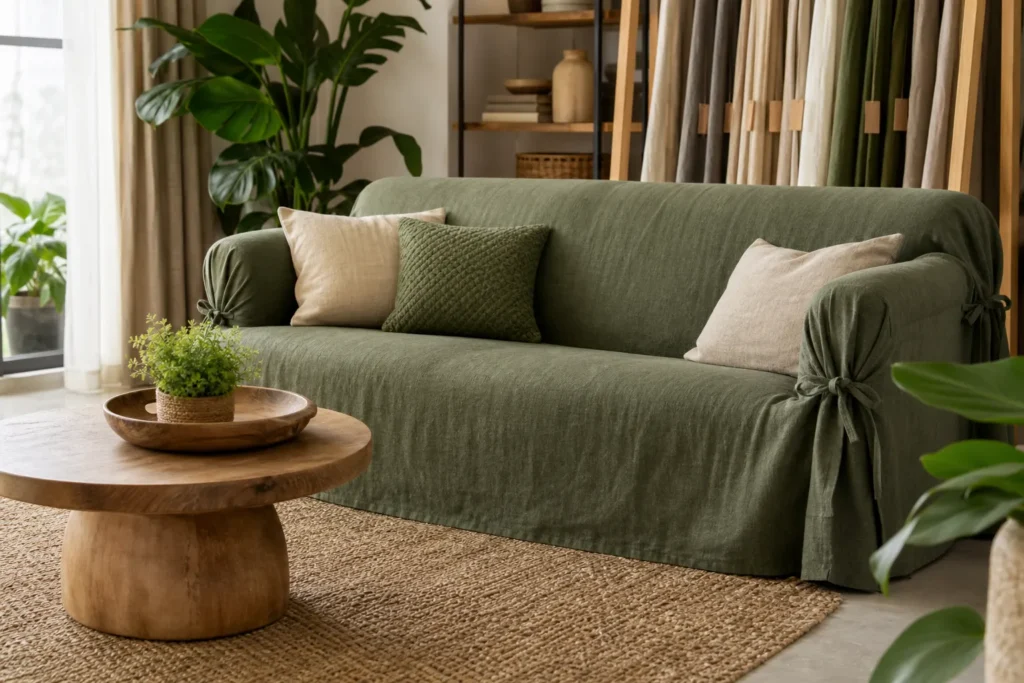
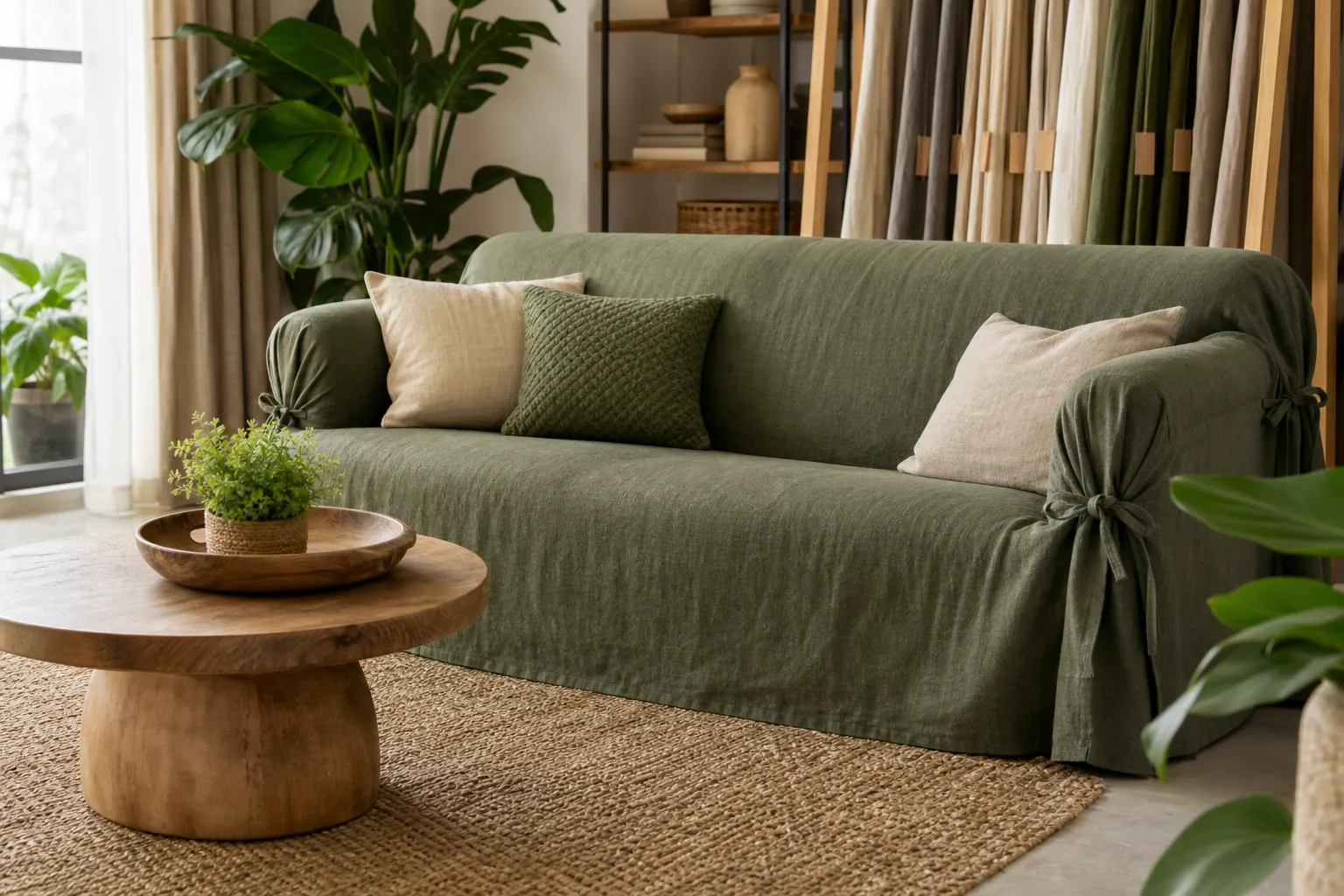
The Rise of Eco-Friendly Sofa Covers: Sustainable Solutions for Retailers
Introduction to Eco-Friendly Sofa Covers
Eco-friendly sofa covers are protective layers crafted from sustainable materials designed to minimize environmental impact. As more consumers become aware of their purchasing decisions, the demand for eco-friendly sofa covers has surged. This trend is particularly significant in the retail sector, where sustainability not only enhances brand image but also meets the increasing consumer preference for environmentally responsible products. Retailers embracing eco-friendly sofa covers can tap into this lucrative market while contributing to global sustainability efforts.
Specifications of Eco-Friendly Sofa Covers
When considering eco-friendly sofa covers, it’s vital to understand the materials used in their production. Typically sourced from organic cotton, recycled polyester, or other sustainable fibers, these covers minimize the use of harmful chemicals and reduce waste. Certifications such as the Global Organic Textile Standard (GOTS) or OEKO-TEX® Standard 100 ensure that these products meet strict environmental and social criteria.
Durability is another crucial factor; eco-friendly sofa covers are designed to withstand everyday wear and tear while remaining easy to maintain. Most of these covers are machine washable, ensuring they stay fresh and appealing over time without the need for harsh cleaning agents.
Use Cases for Eco-Friendly Sofa Covers
Eco-friendly sofa covers are versatile, finding applications in various settings. In residential spaces, they offer an attractive, sustainable option for homeowners looking to enhance their living areas while being environmentally conscious. For commercial venues, such as hotels and cafes, these covers can elevate aesthetic appeal and demonstrate a commitment to sustainability, attracting eco-aware customers.
Seasonal and event use is another significant area where eco-friendly sofa covers excel. Whether for holiday decorations or special occasions, these covers can add a festive touch while aligning with sustainability goals.
Comparing Eco-Friendly Sofa Covers
When comparing eco-friendly sofa covers to traditional alternatives, several factors come into play. Eco-friendly options often outperform traditional covers in terms of environmental impact, as they utilize sustainable materials and production practices. Price comparisons may vary; while eco-friendly sofa covers can sometimes be more expensive initially, the long-term benefits—including durability and reduced maintenance costs—often justify the investment.
Performance metrics such as stain resistance, color retention, and overall lifespan are essential considerations for retailers. Eco-friendly options are increasingly matching or even exceeding traditional covers in these areas, making them a viable choice for discerning consumers.
Sourcing Eco-Friendly Sofa Covers
Finding reliable wholesale suppliers for eco-friendly sofa covers is crucial for retailers looking to expand their sustainable product offerings. Start by researching suppliers who specialize in sustainable textiles and have a proven track record. Evaluating supplier sustainability practices is equally important; look for those adopting ethical sourcing, transparent supply chains, and environmentally friendly manufacturing processes.
Negotiating bulk purchase agreements can lead to significant cost savings for retailers. Establishing solid relationships with suppliers can also facilitate better terms and access to exclusive eco-friendly products.
Implementing Eco-Friendly Sofa Covers in Retail
To effectively implement eco-friendly sofa covers in retail, display and marketing strategies should emphasize their sustainable attributes. Use signage that educates customers on the benefits of eco-friendly materials and the importance of reducing environmental impact. Creating visually appealing displays can grab attention and encourage consumers to explore these products.
Customer education on sustainability is paramount. Retailers should provide information on the lifecycle of eco-friendly sofa covers, including care instructions that emphasize proper maintenance without harmful chemicals. Actively seeking customer feedback can also help retailers adapt their offerings to meet evolving consumer preferences.
FAQs about Eco-Friendly Sofa Covers
Common Misconceptions: A prevalent misconception is that eco-friendly sofa covers lack style or variety. In reality, the market offers a wide range of designs and colors, ensuring that consumers can find options that suit their tastes.
Care Instructions: Most eco-friendly sofa covers are machine washable; however, it’s advisable to adhere to specific care instructions to maintain their integrity and longevity. Avoid harsh detergents and opt for eco-friendly cleaning solutions when possible.
Return and Exchange Policies: Retailers should establish clear return and exchange policies for eco-friendly sofa covers, ensuring that customers feel confident in their purchases. Transparency in these policies can enhance customer trust and satisfaction.
Conclusion
The rise of eco-friendly sofa covers presents a significant opportunity for retailers to align with consumer values and enhance their product offerings. By understanding the specifications, use cases, and sourcing strategies for these sustainable products, retailers can effectively meet the demand for eco-friendly solutions. Embracing this trend not only benefits the environment but also positions businesses for success in a competitive market. For more information on sustainable textiles, check out this industry reference.